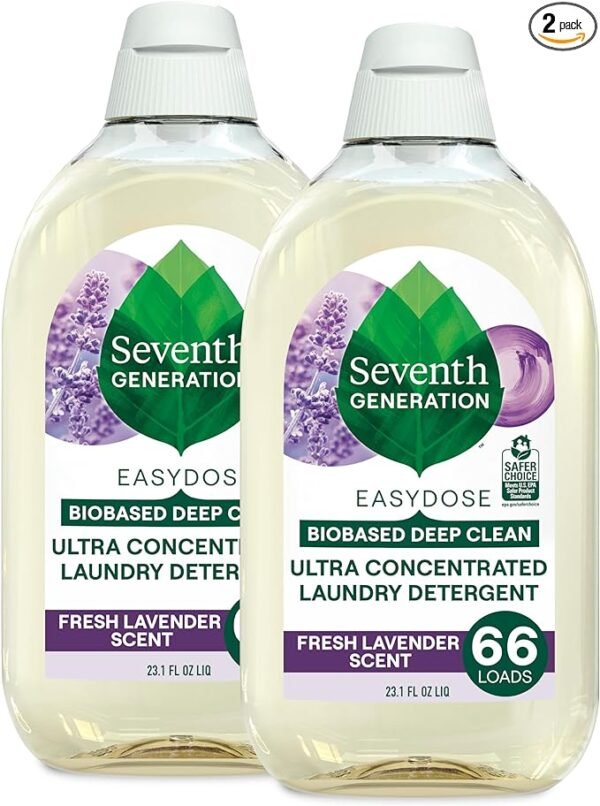
Navigating the crowded shelves of household and personal care products can feel like a labyrinth, especially when you're seeking brands that align with your values. For years, Seventh Generation has stood as a beacon in the natural products space, synonymous with plant-based ingredients and environmental responsibility. But in today's market, are they still the unrivaled champion, or have other contenders emerged to challenge their dominance? This comprehensive guide dives deep into Seventh Generation: Competitor Comparison & Alternatives, exploring the diverse landscape of brands shaping the market for conscious consumers.
At a Glance: Your Quick Guide to Seventh Generation & Its Rivals
- Seventh Generation's Core: A pioneer in plant-based, non-toxic household and personal care, prioritizing environmental impact.
- The Evolving Market: What was once a niche is now mainstream, with many brands—both startups and established giants—offering eco-friendly options.
- Key Competitor Categories:
- Direct "Green" Rivals: Brands like Dapple focused specifically on natural, family-safe products.
- Mainstream Giants: Companies like Clorox and SC Johnson now offering their own green lines or acquiring eco-friendly brands.
- Niche & Specialized: Brands focused on specific needs (e.g., baby care) or unique business models (e.g., direct selling).
- What Matters Most: Beyond brand names, scrutinize ingredients, certifications, packaging, effectiveness, and price to find your best fit.
- Beware of Greenwashing: Learn how to differentiate genuine sustainability from clever marketing.
The Green Cleaning Revolution: Why Seventh Generation Stood Out
Before delving into the competition, it's crucial to understand the foundation Seventh Generation laid. Launched in 1988, the brand was a trailblazer, championing a future where household products wouldn't harm people or the planet. Their name itself refers to the ancient Iroquois philosophy that decisions should consider the impact on the next seven generations. This ethos deeply informed Seventh Generation's founding principles: a commitment to plant-derived ingredients, transparency, and a powerful voice for environmental advocacy.
For decades, they helped define what "eco-friendly" meant in consumer goods, pushing boundaries long before sustainability became a mainstream buzzword. They demonstrated that you could clean your home, wash your clothes, and care for your body without relying on harsh chemicals, synthetic fragrances, or petroleum-based ingredients. This pioneering spirit not only built a loyal customer base but also inspired a wave of new businesses to enter the broader movement towards eco-friendly cleaning.
Understanding the Landscape: Key Factors for Comparison
When evaluating Seventh Generation against its myriad competitors and alternatives, a thoughtful approach is essential. It's not just about what's "green" but what truly aligns with your family's needs and values. Here are the critical factors to consider:
1. Ingredient Philosophy & Sourcing Transparency
This is often the first criterion for consumers seeking alternatives. Seventh Generation prides itself on plant-based ingredients, free from dyes, synthetic fragrances, phosphates, and optical brighteners. But how do others compare?
- Plant-Based vs. Petroleum-Based: Is the primary cleaning agent derived from natural, renewable resources or fossil fuels?
- "Free From" Lists: Look for absence of phthalates, parabens, sulfates, chlorine bleach, ammonia, and artificial colors/fragrances.
- Fragrance Sources: Are scents derived from essential oils or synthetic compounds? "Fragrance-free" is another option for sensitive individuals.
- GMOs: Some brands emphasize non-GMO ingredients.
- Ingredient Disclosure: Does the brand list all ingredients clearly on the label or on their website? Transparency is key.
2. Environmental Footprint Beyond the Bottle
A product's "greenness" extends far beyond its ingredients. The manufacturing process, packaging, and supply chain all contribute to its overall environmental impact. This is where the environmental impact of traditional cleaning solutions becomes a major point of differentiation.
- Packaging: Does the brand use recycled plastic? Is it recyclable itself? Are there refill options (e.g., concentrates, bulk)? What about innovative packaging like compostable pouches?
- Carbon Footprint: Does the company measure and strive to reduce its emissions from manufacturing, transport, and waste?
- Certifications: Look for credible third-party certifications like USDA Organic, EWG Verified, Leaping Bunny (cruelty-free), Certified B Corporation, Cradle to Cradle, or Safer Choice. These provide external validation of environmental and ethical claims.
- Water Usage: How efficiently does the brand use water in production? Are their products biodegradable, minimizing water pollution upon disposal?
3. Effectiveness & Value for Money
Let's be honest: a product can be the greenest on earth, but if it doesn't clean effectively, it's not a practical solution.
- Performance: Does the product tackle tough messes, remove stains, and leave surfaces clean and fresh? Reviews and personal trials are invaluable here.
- Concentration: Highly concentrated formulas often mean less packaging, lower shipping emissions, and better value per use, even if the upfront cost seems higher.
- Price Point: Eco-friendly products can sometimes carry a premium. Compare unit costs and consider long-term value.
4. Brand Mission, Ethics & Accessibility
What does the company stand for beyond its products?
- Social Impact: Does the brand engage in fair labor practices, support community initiatives, or advocate for environmental policy changes?
- Animal Testing: Is the brand cruelty-free? (Look for Leaping Bunny certification).
- Availability: Can you easily find the products in your local store, or do you need to order online? This impacts convenience and potentially shipping costs/emissions.
Seventh Generation's Direct Rivals: The Eco-Pioneers & Innovators
Many brands have followed Seventh Generation's lead, some even carving out their own unique niches within the eco-friendly market. These are often the closest alternatives in terms of ethos and product offering.
Dapple
Overview: A highly relevant competitor, Dapple focuses specifically on non-toxic, hypoallergenic, and plant-based cleaning products designed for families with young children. This includes specialized formulas for baby bottles, toys, and laundry.
Comparison Points:
- Target Audience: Dapple's laser focus on babies and toddlers gives it an edge for new parents seeking ultra-gentle, residue-free solutions. Seventh Generation also has a strong baby line but a broader portfolio.
- Ingredients: Both emphasize plant-based and non-toxic ingredients. Dapple often highlights its medical-grade ingredients and pediatrician-recommended status.
- Range: Dapple's range is more concentrated on specific baby care needs, while Seventh Generation offers a full household suite.
Ontex / Baby Roger
Overview: Ontex is a major international producer of personal hygiene solutions, including baby diapers, feminine care, and adult incontinence products. Baby Roger specifically manufactures baby products. While not direct cleaning product rivals, they compete in the broader personal care space that Seventh Generation also occupies (diapers, wipes).
Comparison Points:
- Product Overlap: Where Seventh Generation offers baby diapers and wipes, Ontex (and its various brands) are direct competitors.
- Ingredient Focus: Ontex's brands may or may not share Seventh Generation's explicit commitment to plant-based or non-toxic ingredients, varying by specific product line and market. Consumers would need to check individual product labels carefully.
- Scale: Ontex is a massive global player in hygiene, often operating under multiple brand names.
Other Notable Eco-Conscious Brands (Not on provided list, but vital for market context)
To truly understand the competitive landscape, it's worth acknowledging other brands that often come up in discussions about Seventh Generation alternatives:
- Method & Mrs. Meyer's Clean Day (SC Johnson brands): While now owned by SC Johnson, these brands maintain a strong eco-friendly image with distinctive scents and plant-derived ingredients. They often compete directly on shelf space and consumer preference for aesthetics and fragrance.
- ECOS (Earth Friendly Products): Another long-standing player known for its plant-derived, pH-balanced formulas and commitment to carbon neutrality.
- Puracy: Focuses on natural, plant-based, effective products with a strong emphasis on full ingredient transparency and customer satisfaction.
- Common Good: Emphasizes simple, effective formulas and beautiful, refillable packaging.
The Giants' Green Gambit: Established Brands Embracing Sustainability
The success of Seventh Generation and others didn't go unnoticed by the major players in the consumer goods industry. Many have either launched their own "green" lines or acquired established eco-brands, changing the competitive dynamic significantly.
The Clorox Company
Overview: A massive consumer goods company, Clorox is known for its bleach and cleaning products. However, they also developed "Green Works," an early mainstream foray into natural cleaning.
Comparison Points:
- Green Works: Clorox's Green Works line was a direct response to the demand for natural cleaners. It aims to offer effective, plant-based cleaning solutions that are more widely available and often more competitively priced than some niche eco-brands.
- Brand Perception: Despite Green Works, Clorox's overall brand identity is still heavily associated with conventional, strong chemical cleaning. This can be a hurdle for consumers deeply committed to fully green brands.
- Scale & Distribution: Clorox's vast distribution network means Green Works products are incredibly accessible, competing directly with Seventh Generation in mainstream grocery stores.
SC Johnson
Overview: A household name, SC Johnson manufactures a wide range of products from cleaning (Windex, Pledge) to pest control (Raid) and air care (Glade). Their strategic move to acquire Method and Mrs. Meyer's Clean Day fundamentally shifted their presence in the natural products sector.
Comparison Points:
- Acquisition Strategy: By acquiring Method and Mrs. Meyer's, SC Johnson now owns two of Seventh Generation's most direct and popular competitors. This allows them to offer natural alternatives while maintaining their larger conventional portfolio.
- Diverse Portfolio: SC Johnson offers consumers a spectrum of choices, from traditional chemical cleaners to established "green" brands, making them a formidable competitor across various market segments.
- SC Johnson Professional: While the core SC Johnson brand targets consumers, SC Johnson Professional provides cleaning and hygiene solutions for industrial, institutional, and healthcare sectors. This is distinct from Seventh Generation's consumer focus, though it highlights the company's broader expertise in hygiene.
Lion (Japan) / PZ Cussons (UK)
Overview: These are significant international consumer goods companies with broad portfolios including personal care, home care, and healthcare. Lion, based in Tokyo, is notably engaged in R&D for sustainable materials. PZ Cussons, based in Manchester, focuses on personal care, home care, beauty, and healthcare.
Comparison Points:
- Global Reach: These companies compete with Seventh Generation in international markets, often through their own local brands or specific sustainable lines tailored to regional preferences.
- Sustainability Initiatives: Both Lion and PZ Cussons have their own sustainability goals and product developments, reflecting the global shift towards greener solutions. Consumers interested in these brands would need to research their specific eco-credentials and product offerings in their respective markets.
- Indirect Competition: While they might not have a single "Seventh Generation equivalent" brand, their diverse ranges mean they compete for consumer attention in overlapping categories like laundry detergent, dish soap, and personal hygiene.
Beyond the Mainstream: Niche Players and Unique Models
The market also includes players that operate outside the traditional retail model or cater to highly specific needs, offering alternatives that might appeal to different consumer segments.
Amway
Overview: Amway operates in the direct selling industry, offering a broad range of health, beauty, and home care solutions, including nutrition supplements, skincare, makeup, personal care items, and home care products.
Comparison Points:
- Business Model: Amway's direct selling model is a fundamental difference from Seventh Generation's retail presence. Products are sold through independent distributors, offering a personalized sales experience.
- Product Philosophy: Amway often emphasizes scientific research and proprietary formulations for its products, which may or may not align with Seventh Generation's plant-based, non-toxic focus. Consumers interested in Amway's home care products would need to carefully scrutinize their ingredient lists and environmental claims.
- Value Proposition: The direct selling model often comes with a different price structure and emphasis on product education and community.
Differentiating from Industrial & Service Providers
It's important to note that some companies in the broader "chemical" or "hygiene" space, while significant, do not directly compete with Seventh Generation's consumer household and personal care offerings.
- McGean-Rohco: Manufactures industrial chemicals and formulations. This is a business-to-business (B2B) operation, not a direct consumer product competitor.
- RB Healthcare: This is an independent NHS pharmacy providing healthcare services (prescription management, health checks, etc.), not manufacturing consumer goods. It is entirely outside the scope of product comparison.
Understanding these distinctions helps clarify the true competitive landscape for consumers looking for alternative cleaning and personal care products.
Deciphering Labels: What "Non-Toxic" and "Natural" Really Mean
One of the biggest challenges for consumers is cutting through the marketing jargon. Terms like "natural," "non-toxic," and "eco-friendly" are thrown around liberally. This is where Is Seventh Generation really non-toxic? becomes a critical question, demanding a deeper look.
"Non-Toxic" and "Free From"
- Nuance: No product is entirely "non-toxic" in the broadest sense (even water can be toxic in extreme quantities). What it generally means in consumer products is that the ingredients, when used as directed, are not expected to cause adverse health effects to humans or pets.
- The "Free From" List: This is usually more helpful. A "non-toxic" claim is strengthened by specific declarations like "free from chlorine bleach, phosphates, phthalates, synthetic fragrances." Seventh Generation excels here by being transparent about what they exclude.
- Independent Verification: Look for third-party certifications like EWG Verified (Environmental Working Group) or Safer Choice (EPA) as these involve rigorous review of ingredients and human health impacts.
"Natural" vs. "Organic"
There's a significant difference here, often misunderstood. The nuanced differences between 'natural' and 'organic' cleaning products are crucial for informed choices.
- Natural: This term is largely unregulated in the cleaning industry. It can mean ingredients are derived from plants or minerals, but it doesn't guarantee safety, sustainability, or processing methods. A "natural" product might still contain harsh chemicals if the manufacturer deems them "naturally derived."
- Organic: This is a regulated term, particularly for food and personal care. USDA Organic certification means ingredients were grown without synthetic pesticides or fertilizers, and processing meets specific organic standards. While less common for cleaning products (which are rarely ingested), some brands may certify specific ingredients as organic.
- Key takeaway: "Natural" is a marketing term; "organic" is a certification. Always look for the certification seal if "organic" is your priority.
The Art of Spotting Greenwashing
With growing consumer demand for sustainable products, "greenwashing"—making misleading claims about environmental practices or benefits—is rampant. Learning identifying genuine eco-credentials versus marketing 'greenwashing' is an essential consumer skill.
- Vague Claims: Beware of terms like "eco-friendly," "green," or "earth-friendly" without specific, verifiable details.
- Irrelevant Claims: Highlighting a feature that's legally required or generally not an environmental concern (e.g., "CFC-free" when CFCs are banned).
- Hidden Trade-offs: Emphasizing one green attribute while ignoring more significant environmental issues (e.g., "plant-based" but in non-recyclable packaging).
- Lack of Certification: Claims of sustainability or safety without independent, third-party verification.
- "Natural Fallacy": Assuming anything "natural" is good for you or the environment (e.g., some natural essential oils can be irritants; mining natural minerals can be environmentally damaging).
Always dig deeper than the buzzwords. Look for facts, certifications, and ingredient lists.
Making Your Choice: A Decision Framework
With so many options, how do you decide between Seventh Generation and its rivals? Here's a framework to guide your conscious consumption:
- Define Your Priorities:
- Health & Safety First? Focus on "free from" lists, EWG Verified, and hypoallergenic claims (e.g., Dapple for baby items).
- Environmental Impact? Prioritize recycled/recyclable/refillable packaging, carbon neutrality, and biodegradable formulas.
- Effectiveness? Read reviews for specific product performance on the messes you typically face.
- Budget? Compare unit costs and consider concentrated formulas for better long-term value.
- Ethics? Look for cruelty-free (Leaping Bunny), B Corp certification, and fair labor practices.
- Scent Preference? Decide if you prefer unscented, essential oil-based, or mild synthetic fragrances.
- Read Labels Critically: This cannot be stressed enough. Don't rely solely on front-of-package claims. Turn the bottle over and read the full ingredient list and any certifications.
- Cross-Reference Certifications: Familiarize yourself with credible third-party certifications (EWG Verified, Safer Choice, Leaping Bunny, USDA Organic, B Corp). These provide independent validation of a brand's claims.
- Consider Your Shopping Habits: Do you prefer buying everything at one store, or are you willing to seek out specialty retailers or order online? Accessibility can impact your decision.
- Trial and Error: Sometimes, the best way to find your perfect product is to try a few different brands. Buy smaller sizes if available. What works brilliantly for one family might not for another.
- Embrace Concentrates & Refills: Many eco-conscious brands offer concentrated formulas or refill programs, reducing plastic waste and often saving you money in the long run.
Common Questions About Eco-Friendly Brands
Are eco-friendly cleaning products as effective as conventional ones?
Absolutely, in most cases. Modern green chemistry has advanced significantly. Brands like Seventh Generation, Dapple, and the eco-lines from larger companies invest heavily in R&D to ensure their plant-based formulas can tackle grease, grime, and stains just as effectively as traditional products. For extremely tough jobs (e.g., heavy-duty rust removal), you might find some niche differences, but for everyday cleaning, the performance gap has largely closed.
Are natural alternatives always more expensive?
Not always. While some premium eco-brands do carry a higher price tag, the market has become much more competitive. You can often find Seventh Generation and its rivals (including the "green" lines from Clorox or SC Johnson) at prices comparable to conventional brands, especially when on sale or buying in larger sizes/concentrates. Factor in the long-term benefits of healthier ingredients and environmental impact, and the value proposition often balances out.
What certifications should I prioritize when choosing?
For cleaning and personal care products, here are key ones:
- EWG Verified: Focuses on ingredient safety and transparency.
- Safer Choice (EPA): Ensures products contain ingredients that are safer for human health and the environment.
- Leaping Bunny: Guarantees no animal testing at any stage of product development.
- Certified B Corporation: Assesses a company's entire social and environmental performance, accountability, and transparency.
- USDA Certified Organic: Primarily for food and personal care, less common for cleaners but indicates organic ingredients.
Can store brands be good eco-friendly alternatives?
Yes! Many major retailers have developed their own store-brand lines of eco-friendly cleaning and personal care products. These can often offer comparable ingredient profiles and performance to established brands like Seventh Generation but at a more budget-friendly price point. Always apply the same critical label-reading and certification checks to store brands as you would to national brands.
Your Path to Conscious Consumption
Seventh Generation opened a critical door for consumers, proving that effective cleaning and personal care didn't have to come at the expense of our health or the planet. Today, the landscape is richer and more diverse than ever. Whether you stick with the trusted name, explore specialized innovators like Dapple, or embrace the greener offerings from industry giants, your power as a consumer is immense. By understanding the comparison factors, deciphering labels, and being vigilant against greenwashing, you can confidently choose products that not only meet your practical needs but also align with your vision for a healthier home and a more sustainable world.