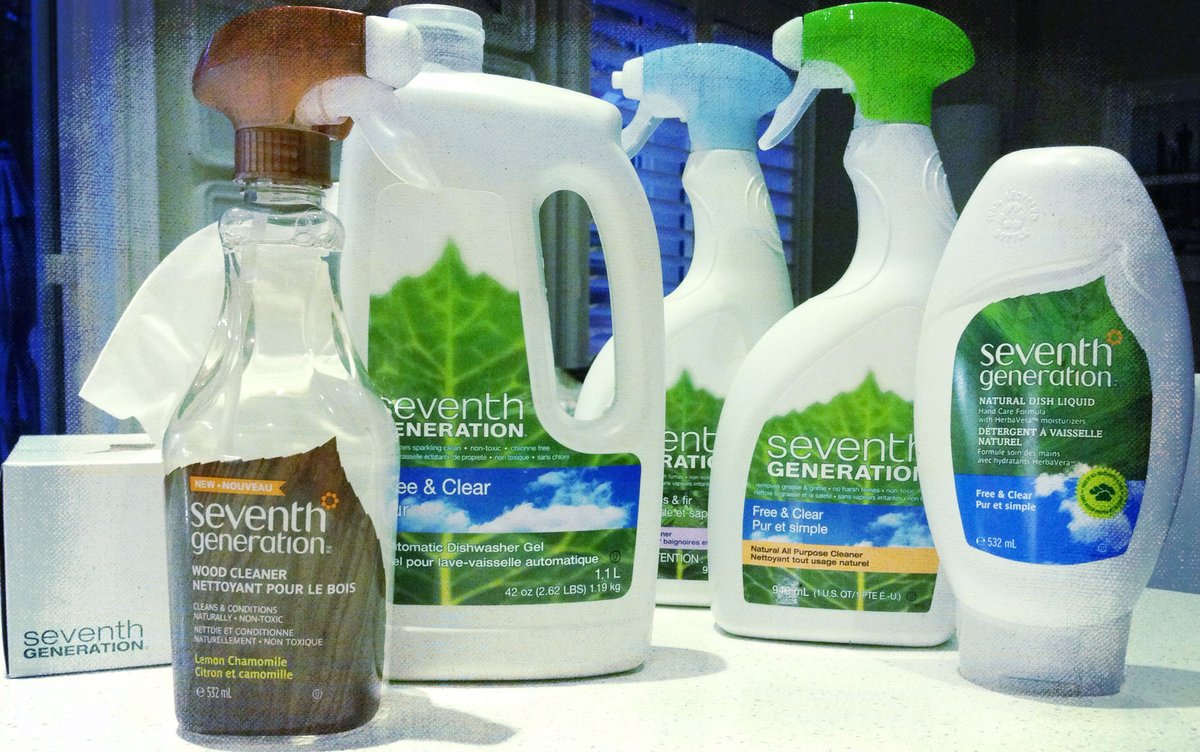
When you pick up a bottle of laundry detergent or a pack of baby wipes, what story does it tell? For many brands, it’s a tale of convenience or cost-effectiveness. But for Seventh Generation: Brand Story & Commitment, the narrative is far grander: a steadfast promise to protect the planet and its inhabitants for the next seven generations and beyond. This isn't just marketing; it's the deeply embedded philosophy that has guided every decision, every ingredient choice, and every advocacy effort for over three decades.
From its humble beginnings as a mail-order catalog for eco-friendly products, Seventh Generation has evolved into a household name synonymous with conscious consumption. It’s a brand that doesn't just sell products; it champions a healthier, more sustainable, and equitable future, inviting you to be part of that transformation.
At a Glance: Seventh Generation's Enduring Promise
- Core Mission: To transform the world into a healthy, sustainable, and equitable place for the next seven generations.
- Founding Spirit: Pioneered environmentally friendly products and set new industry standards in sustainability.
- Radical Transparency: One of the first homecare companies to list all ingredients clearly on packaging.
- Certified Goodness: Offers USDA Certified Biobased and EPA Safer Choice products across home, baby, and health care.
- Packaging Innovation: Reinvented bottles with significantly less plastic and water, aiming for zero-waste solutions.
- B Corp Leader: A founding B Corporation, demonstrating that business can be a powerful force for positive change.
- Ambitious Goals: Committed to tackling climate action, sustainable sourcing, plastic waste, equitable value chains, and eliminating chronic toxins by 2025.
- Accountability: Publicly reports on progress toward goals, including areas where targets were not fully met.
The Roots of a Movement: A Brand Forged in Principle
The journey of Seventh Generation began not with a grand corporate strategy, but with a simple, yet profound, idea: what if businesses considered the impact of their actions not just for tomorrow, but for centuries to come? This ethos stems from the Great Law of the Iroquois Confederacy, which counsels that in every decision, we must consider the welfare of the seventh generation yet to come.
In the late 1980s, Alan Newman, a visionary entrepreneur, acquired Renew America and merged it with a progressive mail-order catalog. This laid the groundwork for a business focused on environmental stewardship. Soon after, Jeffrey Hollender joined, bringing his passion for making environmentally friendly products accessible. Together, they cultivated a company designed to challenge the status quo, proving that commerce could align with conscience.
From those early days, Seventh Generation didn't just sell products; it actively shaped the industry. They set new standards for chlorine processing of fibers, pushing for more environmentally benign methods. They broke into mainstream retail with their Liquid Laundry, Chlorine-Free Bleach, and Dishwasher Detergent in 33 Boston-area Star Markets, demonstrating consumer demand for greener options. Moreover, they were instrumental in lobbying efforts that led to the removal of harmful phosphates from auto dish products—a significant win for water health and ecological balance. This early advocacy established a pattern: Seventh Generation wasn't content to simply offer alternatives; it aimed to transform the entire landscape.
Transparency as the Ultimate Ingredient
In an industry often shrouded in proprietary formulas and cryptic chemical names, Seventh Generation took a radical stance: complete and utter transparency. Decades ago, they were among the very first homecare companies to clearly print all ingredients in plain language on their product packaging. This wasn't just a courtesy; it was a foundational commitment to consumer trust and empowerment.
Imagine knowing exactly what’s in the detergent washing your clothes or the cleaner you’re using on your kitchen counters. This level of disclosure empowers you to make informed decisions for your family's health and the planet's well-being. It pushes beyond marketing claims, offering a window into the actual composition of products. This commitment extends beyond a mere list; it's about making complex chemical information understandable and accessible to everyone.
Pioneering Product Standards & Certifications
Beyond just listing ingredients, Seventh Generation has actively pursued and achieved leading certifications that validate their claims of environmental responsibility and product safety. These aren't just badges; they represent rigorous third-party verification of their commitment.
- USDA Certified Biobased: Seventh Generation offers the first full line of homecare, baby care, and health care products to achieve this certification. This means that a significant portion of their product's ingredients are derived from plants and other renewable agricultural, marine, and forestry materials, reducing reliance on petroleum.
- EPA Safer Choice Label: Many of their core products—including liquid laundry detergent, dish liquid, laundry packs, and household cleaners—proudly carry the EPA Safer Choice label. This indicates that the product contains ingredients that are safer for human health and the environment, without sacrificing quality or performance.
- USDA BioPreferred Program: All their laundry and dish products are certified by the USDA BioPreferred Program as 95% or higher biobased. This commitment to renewable resources underpins their vision for a future less dependent on fossil fuels.
- FSC Certified Pulp: Their diapers utilize sustainably harvested plant-based pulp, certified by the Forest Stewardship Council (FSC). This ensures that the wood pulp comes from responsibly managed forests, protecting biodiversity and supporting forest communities.
These certifications offer you, the consumer, a quick and reliable way to identify products that meet stringent environmental and health standards, making your shopping choices easier and more impactful.
Rethinking Packaging: Less Plastic, More Future
One of the most visible impacts of consumer products is their packaging. Seventh Generation has made significant strides in addressing plastic waste, understanding that true sustainability requires a holistic approach—from what's inside the bottle to the bottle itself.
Consider their liquid laundry bottle, a product reinvented to align with their less-is-more philosophy. This innovative design uses:
- 60% Less Plastic: A substantial reduction that lessens the demand for virgin plastic production.
- 50% Less Water: Concentrated formulas mean less water in the product, leading to lighter bottles and a smaller transportation footprint.
- Super Convenient Dosing Technology: Ensures you use just the right amount, reducing waste and extending the life of your purchase.
This commitment to responsible packaging extends across their product lines. In 2020, an impressive 97% of their product packaging, by volume, was considered 'Zero Waste,' meaning it was reusable or recyclable. Furthermore, the company consistently pushes for packaging made from bio-based or recycled content, closing the loop on material use and minimizing virgin resource extraction. These efforts directly address the global challenge of plastic waste, striving to keep materials in circulation and out of landfills and oceans.
Business as a Force for Good: The B Corp Journey
Seventh Generation isn't just a company that sells products; it's a mission-driven organization that believes business can, and should, be a powerful force for positive change. This conviction led them to become a founding B Corporation in 2008.
What does being a B Corp mean? It's a certification awarded to companies that meet the highest standards of verified social and environmental performance, public transparency, and legal accountability to balance profit and purpose. It's a commitment that's legally embedded in their charter, ensuring that even as the company grows or changes ownership, its dedication to sustainability remains paramount.
As a B Corp, Seventh Generation actively assesses its commitment to sustainability, not just through product performance, but across all facets of its operations: its workers, customers, community, and environment. This annual self-assessment is then publicly reported in their Corporate Consciousness Report, demonstrating an unparalleled level of accountability and transparency in the business world.
Ambitious Goals for 2025: A Roadmap for Impact
Seventh Generation’s commitment isn't static; it's a dynamic, evolving promise encapsulated in ambitious 2025 goals structured around four key pillars:
- Nurture Nature: Protecting and restoring the environment.
- Enhance Health: Ensuring products are safe for people and the planet.
- Transform Commerce: Driving systemic change in how businesses operate.
- Build Community: Fostering well-being and equity for all.
Under these pillars, specific, actionable commitments guide their operations:
- Climate Action: Supporting climate justice and working towards a fossil-free future. This involves reducing their own carbon footprint and advocating for broader systemic change.
- Sustainable Sourcing: Prioritizing plant-based ingredients and actively decreasing dependence on fossil fuels in their supply chain. This includes ensuring their raw materials are responsibly harvested and processed.
- Better, Less, No Plastic: A multifaceted approach to plastic, focusing on using more post-consumer recycled (PCR) plastic, minimizing overall plastic use, and innovating towards truly zero-plastic solutions wherever possible.
- Equitable Value Chain: Ensuring that all workers throughout their supply chain receive a livable wage and operate under fair working conditions. This commitment extends beyond their direct employees to the people who grow, harvest, and process their ingredients.
- Zero Chronic Toxins: Innovating to make all products free of chronic toxins by 2025, setting a high bar for product safety and ingredient selection. This involves continuous research and development to find safer, effective alternatives.
These goals demonstrate a profound understanding that a sustainable future requires systemic change, not just incremental improvements.
The Unvarnished Truth: Tracking Progress and Facing Challenges
Authentic commitment isn't just about setting ambitious goals; it's about publicly reporting on progress, acknowledging both successes and areas for improvement. Seventh Generation's 2020 goals provide a clear example of this transparency:
- Decreasing Carbon Footprint: The company partially achieved its goal of 100% non-fossil fuel sourced energy for its facilities, travel, commuting, manufacturers, and distribution. This is a massive undertaking, and while progress was made, it highlights the complexity of decarbonizing a global supply chain. However, they did not achieve their goal of 100% of consumer clothes washing in cold water, indicating that shifting consumer behavior remains a significant challenge.
- Sustainable Sourcing Targeted Priorities: They did not achieve 100% of agricultural products certified sustainable, including palm oil, virgin wood pulp, coconut, soy, citrus, and corn. This underscores the immense difficulty of ensuring every single raw material meets the highest certification standards across a diverse and global supply chain.
- Zero Waste Packaging: Seventh Generation partially achieved its goal of 100% of products and packaging being biodegradable or recyclable, and partially achieved 100% of products and packaging being bio-based or recycled content. While significant strides were made, reaching complete circularity is an ongoing journey that requires continuous innovation and infrastructure development.
This candid reporting, even when falling short of targets, reinforces the brand's trustworthiness. It acknowledges the complexities of sustainability and demonstrates a commitment to continuous improvement rather than a facade of perfection. It provides a real-world look at the challenges companies face when trying to truly "do good."
Beyond the Bottle: Addressing Global Challenges
Seventh Generation's vision extends far beyond the items you find on store shelves. The brand actively engages with broader global issues, understanding that product choices are intrinsically linked to larger environmental and societal health. Their work directly addresses:
- Air Pollution: By advocating for cleaner energy and reducing their carbon footprint, they contribute to healthier air quality for all.
- Water Health: Through efforts to remove phosphates from detergents and promote biodegradable ingredients, they protect waterways from harmful chemical runoff.
- Plastic Waste: Their packaging innovations and advocacy for circular economy principles directly combat the global plastic crisis.
- Consumer Trust: Their unwavering commitment to transparency, certifications, and public reporting fosters a deeper sense of trust between consumers and brands, setting a higher standard for the industry.
By using renewable, plant-based ingredients and listing them transparently on packaging, Seventh Generation provides practical solutions that contribute to these larger goals.
Navigating the "Non-Toxic" Claim
When you consider a brand deeply committed to health and sustainability, a natural question arises: Is Seventh Generation truly non-toxic?. The concept of "non-toxic" can be nuanced, but for Seventh Generation, it's a foundational principle reflected in their product development and ingredient choices.
Their commitment to "Zero Chronic Toxins" by 2025 signifies a proactive and continuous effort to innovate and eliminate ingredients that could cause long-term harm to human health or the environment. This means going beyond simply meeting regulatory requirements and actively seeking out the safest possible alternatives. While no product can be entirely free of all potential irritants for every individual (allergies exist, for example), Seventh Generation strives to formulate products without known carcinogens, mutagens, reproductive toxins, or endocrine disruptors.
By relying heavily on plant-based ingredients and securing certifications like EPA Safer Choice, they provide external validation that their products meet rigorous standards for chemical safety. It's about minimizing risk and maximizing peace of mind, allowing you to choose products that align with your family's health values.
Your Role in the Journey: Making Informed Choices
Seventh Generation's brand story is a powerful reminder that every purchase has an impact, and every brand has a responsibility. As consumers, you hold significant power in shaping the future of commerce. By choosing brands like Seventh Generation, you're not just buying a product; you're casting a vote for a business model that prioritizes people and the planet alongside profit.
Here's how you can continue to be part of this impactful journey:
- Read Labels Diligently: Take advantage of the transparency Seventh Generation and other responsible brands offer. Understand the ingredients and look for certifications like USDA Biobased or EPA Safer Choice.
- Support Companies with Strong Commitments: Seek out B Corps and companies that publicly report on their environmental and social goals, even acknowledging their challenges.
- Advocate for Change: Use your voice to demand greater transparency and responsibility from all brands. Your feedback matters.
- Practice Sustainable Habits: Complement your product choices with eco-conscious habits, such as washing clothes in cold water, reducing waste, and recycling properly.
Seventh Generation’s journey is a testament to the idea that a brand can be both commercially successful and deeply committed to a higher purpose. It's a living example of how considering the next seven generations can lead to innovative products, transformative business practices, and a brighter, healthier future for us all.