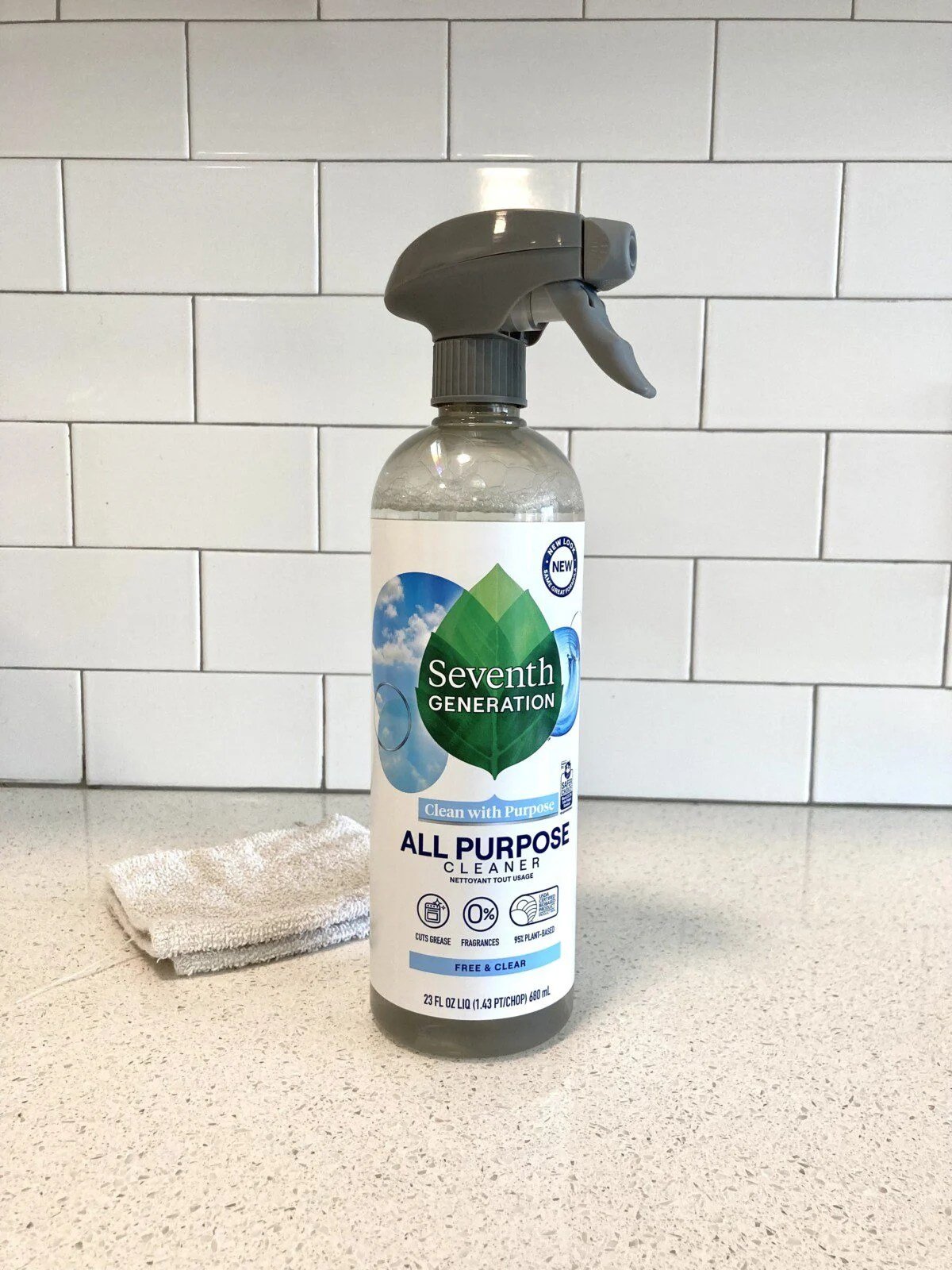
Is Seventh Generation Non Toxic? What's Really in Their Products?
In a world increasingly concerned with what we bring into our homes and put on our bodies, brands like Seventh Generation stand out with promises of "non-toxic" and "eco-friendly" products. But what do these terms really mean, and can a brand owned by a global conglomerate truly deliver on such ambitious claims? For many conscious consumers, the question isn't just about safety, but also about transparency, ethics, and environmental impact.
Seventh Generation, named for the Iroquois philosophy of considering the impact on the next seven generations, has built a powerful reputation around sustainability and safer ingredients since its founding in 1988. Yet, as with any brand operating in the complex green market, skepticism can arise. Here, we'll dive deep into whether Seventh Generation truly lives up to its "non-toxic" promise, dissecting their ingredients, understanding their certifications, and exploring their broader environmental footprint.
Unpacking "Non-Toxic": A Spectrum of Safety
The term "non-toxic" is often thrown around in marketing, but its definition can be surprisingly vague. While Seventh Generation aims for safer formulations, it’s crucial to understand that "non-toxic" isn't an absolute; it exists on a spectrum. Compared to conventional household brands, Seventh Generation generally offers a significant improvement by avoiding many known harmful chemicals. However, no product is entirely without a chemical footprint, and even natural ingredients can cause sensitivities.
To truly grasp what a "non-toxic" claim entails, and to navigate the often-confusing landscape of environmental certifications and standards, it's essential to understand the benchmarks. We encourage you to explore our comprehensive guide on What non-toxic truly means Demystify non-toxic to help you make informed decisions about product safety and environmental claims.
Behind the Label: What's Really in Seventh Generation's Products?
One of Seventh Generation's strongest attributes is its commitment to ingredient transparency. Unlike many brands that hide behind vague terms like "fragrance," Seventh Generation clearly lists all ingredients on their products and online, including specific essential oil components and E.U. allergens. This proactive approach helps consumers avoid common irritants and potential endocrine disruptors like phthalates, which are often concealed within generic "fragrance" labels.
Their formulations largely steer clear of notorious culprits found in conventional cleaners, such as QUATs (quaternary ammonium compounds) and optical brighteners. For disinfection, they often employ thymol, a plant-derived ingredient, as a safer and effective alternative to harsh chlorine-based chemicals. While many of their ingredients are indeed natural or plant-based, it's important to note that some synthetic ingredients are also present, which is common even in "green" formulations designed for stability and efficacy.
However, a closer look reveals some areas of concern for the most discerning consumers. Some products may contain ethoxylated ingredients, often identified by "-eth" in their names (e.g., PEG-6 methyl ether). These ingredients, while widely used, carry the potential for contamination with 1,4-dioxane and ethylene oxide during manufacturing, which are known carcinogens. Understanding the nuances of these compounds is key to assessing a product's full safety profile.
For a thorough examination of the components in their cleaning line, from detergents to dish soaps, our detailed analysis in Ingredient Breakdown: Seventh Generation Cleaning will provide you with all the facts. If your interest lies more in products designed for personal use or for your little ones, we have a dedicated breakdown in our Safety Review: Seventh Generation Personal guide. These resources will help you decipher labels and identify exactly what you're exposing yourself and your family to.
More Than Ingredients: Sustainability and Corporate Footprint
Beyond the ingredients list, a brand's true "green" status is also defined by its environmental and ethical practices. Seventh Generation has made significant strides in this area, aligning with their founding philosophy. They utilize biodegradable ingredients, employ 100% post-consumer recycled plastic for many of their bottles, and actively work to offset their carbon footprint. The brand is also a vocal advocate for climate policies, aiming to drive broader systemic change.
Furthermore, Seventh Generation holds certifications like Leaping Bunny (ensuring no animal testing on final products) and is certified vegan, reflecting a commitment to animal welfare. These certifications offer an extra layer of assurance for consumers prioritizing cruelty-free and plant-based lifestyles.
However, the brand isn't without its challenges. While using recycled plastic is commendable, Seventh Generation still relies heavily on plastic packaging, often lagging behind innovative companies that offer robust refillable or plastic-free solutions. Moreover, its acquisition by Unilever in 2016 raises questions for some conscious consumers. While Unilever offers scale and resources, its ownership by a large corporation can spark concerns about supply chain oversight, ethical operations across a vast portfolio, and potential conflicts of interest that might dilute the brand's original ethos.
To understand the full scope of their journey, including the inspiration behind their name, their commitment to environmental stewardship, and how their corporate structure influences their mission, we invite you to read our deep dive into Seventh Generation: Brand Story &. For a detailed look at their ongoing initiatives, from reducing waste to advocating for a greener future, Explore sustainability and impact further.
Seventh Generation in Context: Comparisons and Alternatives
When evaluating Seventh Generation, it's helpful to consider it alongside other brands in the green cleaning space. Compared to popular brands like Mrs. Meyer's, Seventh Generation generally offers superior ingredient transparency and appears to avoid synthetic fragrances, which are a common feature in Mrs. Meyer's products. For individuals with sensitive skin or allergies, Seventh Generation's "Free & Clear" versions of products like laundry detergent and dish soap are highly recommended, as they specifically exclude fragrances and dyes.
For those seeking even more stringent eco-friendly options or specific formulations, a range of alternatives exists. Brands like Branch Basics, Blueland, Puracy, Ecos, and Attitude offer diverse approaches, from concentrated refill systems to plant-based, hypoallergenic solutions. Each brand presents a unique balance of ingredients, sustainability practices, and pricing, allowing consumers to find the best fit for their specific needs and values.
The Bottom Line: A Step Towards Healthier Homes
Is Seventh Generation "non-toxic"? The answer is nuanced. While it's not perfect and exists on a spectrum of "green," it undeniably represents a significant step towards healthier household choices compared to conventional chemical-laden products. The brand's dedication to transparency, avoidance of many harmful chemicals, and strong sustainability initiatives make it a commendable option for many. However, concerns regarding certain synthetic ingredients and its corporate ownership by Unilever highlight the ongoing journey of what it truly means to be a "green" brand.
Ultimately, making informed decisions requires continuous engagement and a critical eye. By understanding what’s in your products, the standards they meet, and the larger impact they have, you empower yourself to create a healthier home for your family and contribute to a more sustainable future for generations to come.